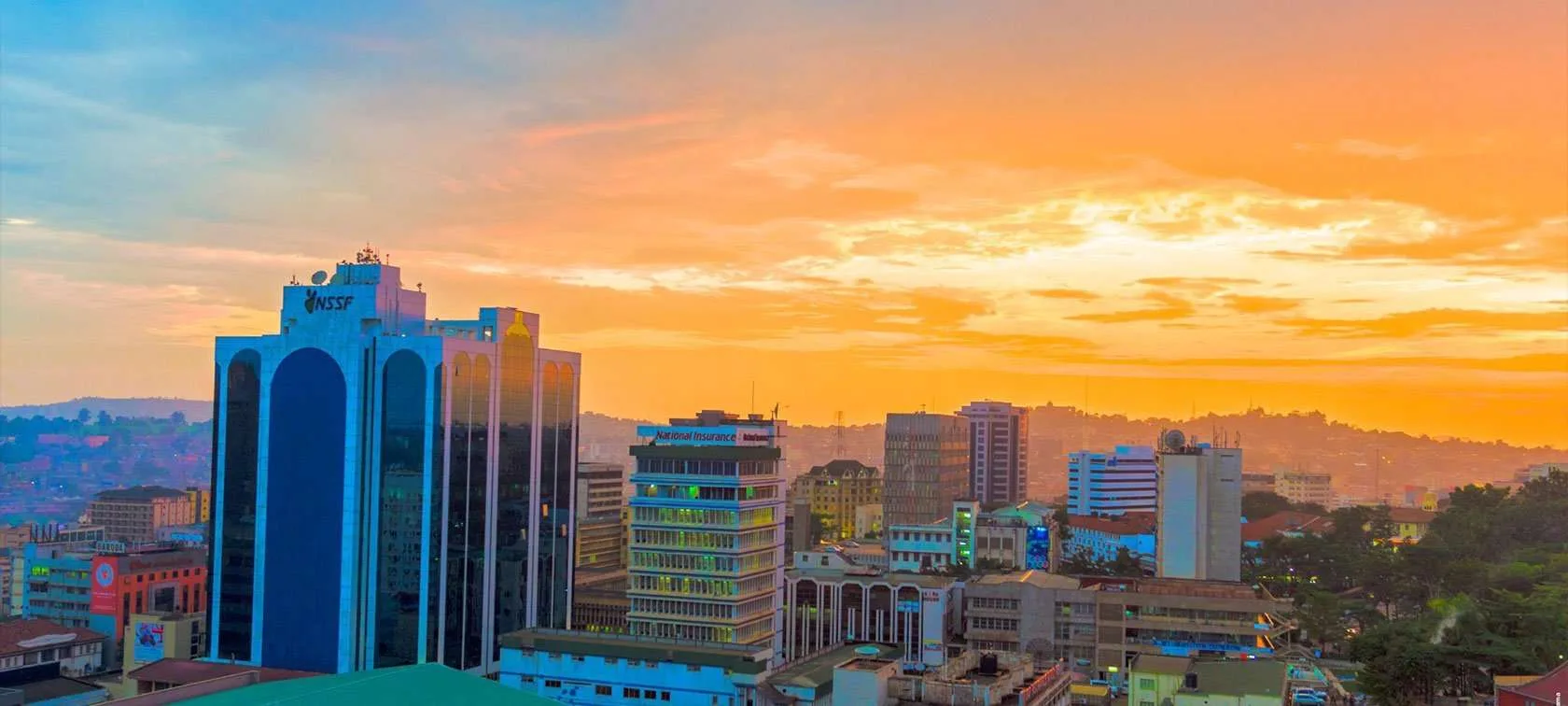
Kampala, the bustling capital of Uganda, is a city where tradition meets modernity. Situated on the northern shores of Lake Victoria, Kampala is not only the political and administrative heart of Uganda but also a cultural and economic powerhouse in East Africa. With a population exceeding 4.2 million people in 2025, the city continues to grow rapidly, offering a dynamic blend of opportunities and challenges. SEO Ranking Guest writer reviews everything you need to know about Uganda’s capital city.
Geography and Climate
Kampala city is built on seven original hills: Kololo, Nakasero, Makerere, Rubaga, Namirembe, Kibuli, and Old Kampala. These hills are not just geographical features but also cultural and historical landmarks that define the city’s character. The climate is tropical, with a bimodal rainfall pattern. The long rainy season occurs from March to May, while the short rainy season is from October to November. The average annual rainfall is about 1,500 mm, and temperatures typically range from 17°C to 28°C.
History and Culture
Kampala’s history dates back to the 19th century when it was the seat of the Buganda Kingdom. The city’s name is derived from the Luganda word “Kasozi k’Empala,” meaning “hill of the impala,” reflecting the area’s rich wildlife heritage. Today, Kampala is a melting pot of cultures, with over 50 ethnic groups residing in the city. This diversity is celebrated through various cultural festivals, music, dance, and art exhibitions held throughout the year.
Administration and Governance
Kampala city operates under a decentralized governance structure, with the Kampala Capital City Authority (KCCA) overseeing the city’s administration. The city is divided into five administrative divisions: Central, Kawempe, Rubaga, Makindye, and Nakawa. The Lord Mayor of Kampala, Erias Lukwago, serves as the political head of the city, while the Executive Director, Frank Rusa, manages the day-to-day operations. Each division is led by a mayor responsible for local administration and service delivery. This governance structure ensures efficient management of infrastructure, health services, sanitation, and urban planning.
Population and Demographics
As of 2025, Kampala’s population is estimated at over 4.2 million, reflecting rapid urban growth. The city has a youthful demographic, with more than half of its residents below the age of 15. This youthful energy drives innovation, entrepreneurship, and cultural vibrancy but also poses challenges in terms of employment, housing, and social services. Kampala continues to attract migrants from across Uganda and neighboring countries seeking education, employment, and business opportunities.
Economy and Employment
Kampala is Uganda’s economic hub, contributing significantly to national GDP. The city’s economy is diverse, encompassing trade, manufacturing, services, and information technology. Small and medium enterprises, retail, construction, and the hospitality sector provide significant employment opportunities. However, youth unemployment remains a pressing issue, with thousands of young people entering the labor market annually, creating competition for limited job openings. The informal sector, including street vending and boda-boda taxis, absorbs many workers, forming a key part of the city’s economy.
Transport and Infrastructure
Kampala’s transport system is characterized by a mix of formal and informal modes. The city has thousands of registered taxis, while public transport is primarily provided by minibus taxis, boda-bodas (motorcycle taxis), and ride-hailing services like Uber and Bolt. For the affluent and tourists, Car Rental in Kampala has become a common way of movement. Traffic congestion is a common challenge, particularly during peak hours. To address this, Kampala city is investing in infrastructure improvements, including the development of Bus Rapid Transit (BRT) systems and pedestrian-friendly pathways. Key arterial roads connect the city to Entebbe International Airport, Jinja, and other major towns.
Healthcare Services
Kampala’s healthcare system comprises both public and private facilities. Mulago National Referral Hospital is the largest public hospital, offering specialized care, while private hospitals such as International Hospital Kampala, Case Hospital, and Nakasero Hospital provide high-quality services for locals and expatriates.
Kampala also has specialized clinics, including those offering speech therapy services for children and adults with communication challenges. The city has numerous pharmacies and health centers, making medical care accessible to residents and visitors alike, although there is still a need to address the shortage of healthcare professionals and the cost of healthcare.
Pet Services in Kampala
Kampala offers a variety of pet services to meet the needs of pet owners, ranging from veterinary care to grooming, boarding, and retail. The city has several well-established veterinary clinics, such as Superior Animal Clinic, Vetlit Mobile Veterinary Services, and Happy Pets Vet Services, which provide vaccinations, health checks, surgeries, and emergency care. Some clinics also offer home visits and specialized services like speech therapy for pets with behavioral issues. For pet owners who travel or have busy schedules, boarding services are available at clinics and dedicated pet care centers, ensuring pets are safe, comfortable, and well-cared for in the owner’s absence.
Grooming services are widely available, with options like The Pet Salon, Janti’s Dog Grooming, and Kampala Israel Pets Grooming offering bathing, nail trimming, haircuts, and even mobile grooming. Pet retail stores such as Appetite Uganda and Pet Store Uganda supply food, accessories, toys, and other essentials, often with home delivery options. Additionally, some establishments provide pet training services to help dogs and cats develop good behavior and obedience.
Overall, Kampala’s pet services are increasingly professional and comprehensive, catering to both common and specialized needs. From Vet health care and grooming to boarding and retail, pet owners can find reliable services to ensure the well-being, comfort, and happiness of their furry companions.
Education and Schools
Kampala is a hub for education in Uganda. It hosts several international schools such as Kampala International School Uganda (KISU) and Vienna College, offering globally recognized curricula including the International Baccalaureate. Public schools, like Makerere College School and Nabisunsa Girls’ School, provide primary and secondary education for Ugandan students. Kampala also houses major universities, including Makerere University, Uganda Christian University, and Kyambogo University, attracting students from across Africa. Many expatriate families choose international schools, while local families often combine both public and private schooling options.
Radio Stations in Kampala
Kampala, Uganda’s vibrant capital, boasts a diverse array of radio stations catering to various tastes and interests. Leading the pack are CBS Radio, broadcasting on 88.8 and 89.2 FM, offering a blend of Afrobeats, community news, and entertainment. Radio Simba (97.3 FM) is renowned for its engaging talk shows and entertainment segments. Galaxy FM (100.2 FM) delivers a mix of hip-hop, house, and pop music, while Capital FM (91.3 FM) offers a contemporary mix of African music, hits, and reggae. Love Radio is particularly popular for playing a variety of love songs and contemporary hits, making it a favorite among younger audiences and listeners seeking a romantic vibe.
Other notable stations include Akaboozi 87.9 FM, known for its pop, news, and talk shows, and Dembe FM (90.4 FM), which provides news, entertainment, and cultural programming. Radio Maria Uganda offers Christian music and talk programs, while Prime Radio focuses on Christian music content. For sports enthusiasts, FUFA FM (102.1 FM) covers football and related events. Many of these stations are also accessible online, allowing listeners to tune in from anywhere through streaming platforms.
Food and Dining
Kampala’s culinary scene is diverse, reflecting its multicultural population. Traditional Ugandan dishes such as matoke (steamed plantains), rolex (chapati with eggs), luwombo (meat or chicken cooked in banana leaves), and groundnut sauce are widely available.
The city has many restaurants, ranging from casual eateries to fine dining establishments. Popular restaurants include The Lawns, Mediterraneo, Faze 3, and Café Javas, offering international cuisine alongside local specialties. Street food is also abundant, especially in markets and near office areas, providing affordable and authentic flavors.
Housing and Accommodation
Accommodation in Kampala ranges from budget-friendly hostels to luxury hotels in Kampala. Areas like Kibuye and Makerere host guesthouses and affordable lodgings, while mid-range hotels such as Protea Hotel and Hotel No. 5 offer comfort and convenience. Luxury hotels like Kampala Serena Hotel and Sheraton Kampala Hotel provide world-class amenities, conference facilities, and fine dining. Serviced apartments and Airbnb options are increasingly popular among expatriates and business travelers seeking long-term stays.
Shopping and Markets
Kampala offers a vibrant shopping scene. Traditional markets such as Owino Market provide everything from clothing and electronics to fresh produce and crafts. Nakasero Market is renowned for fresh fruits, vegetables, and local handicrafts. Modern shopping malls like Garden City Mall, Acacia Mall, and Lugogo Mall host international brands, restaurants, and entertainment facilities. Many tourists and residents alike enjoy buying Ugandan crafts, jewelry, and souvenirs to support local artisans.
Religion and Places of Worship
Religion plays a central role in Kampala’s cultural life. The city is home to numerous churches, mosques, and temples. Prominent Christian landmarks include Namirembe Cathedral, Rubaga Cathedral, and All Saints Cathedral, while the Gaddafi National Mosque serves as a key Islamic place of worship. Many places of worship also function as community centers, offering educational programs, charity work, and social gatherings, reflecting the importance of faith in daily life.
Safety and Security
Kampala city is generally safe for visitors, but it is important to exercise caution in certain areas. Petty crimes like pickpocketing occur, especially in crowded markets and public transport. Visitors are advised to use reputable transport services, avoid walking alone at night, and safeguard personal belongings. The city maintains a visible police presence, and emergency services are accessible throughout the divisions of the city.
Neighborhoods and Areas to Explore
Kampala city has distinct neighborhoods, each with unique attractions. Kololo and Nakasero are upscale areas featuring embassies, luxury hotels, and shopping districts. Bugolobi and Muyenga offer quieter residential streets and scenic views of the city. Kisementi and Acacia Avenue are entertainment hubs with bars, restaurants, and nightlife. Makerere Hill is home to the famous Makerere University, bringing a vibrant student culture to the area. Each neighborhood provides visitors and residents with a different perspective on life in Kampala.
Day Trips and Nearby Attractions
Kampala’s location makes it a convenient base for exploring nearby attractions. Entebbe, about 40 minutes away, offers the Uganda Wildlife Education Center, botanical gardens, and access to Lake Victoria. Jinja, approximately two hours from Kampala city, is famous for adventure tourism, including white-water rafting, bungee jumping, and kayaking along the Nile. Mabira Forest and Ssezibwa Falls are other nearby natural sites perfect for day trips, offering hiking, bird watching, and cultural experiences.
Practical Information for Visitors
Visitors to Kampala city should be aware of practical considerations such as currency, communication, and local customs. The Ugandan Shilling is the official currency, and mobile money services are widely used for transactions. ATMs are available throughout the city, and internet access is widespread via 4G and fiber connections. Learning basic Luganda phrases can enhance interactions with locals, while respecting cultural norms, such as modest dressing in religious sites, helps ensure a positive experience.
Conclusion
Kampala is a city of contrasts and opportunities, blending rich history, diverse culture, and a dynamic economy. From its bustling markets and vibrant nightlife to educational institutions, healthcare facilities, and scenic neighborhoods, Kampala offers something for every visitor or resident. Its combination of tradition and modernity, youthful energy, and central location make it a gateway to Uganda’s broader attractions, offering both enriching experiences and practical opportunities for work, study, or leisure.